Healthcare Crisis Afghanistan
The healthcare system in Afghanistan is facing an unprecedented crisis. Decades of conflict, economic instability, and disruptions in international aid have left millions without access to essential medical care. The situation has deteriorated further following the regime change in 2021, leading to widespread shortages of medicines, medical supplies, and healthcare infrastructure.

Rising Infant and Child Mortality
The lack of medical resources has resulted in an alarming rise in infant and child mortality rates. Many children under the age of five are dying from preventable diseases, including pneumonia and respiratory infections, due to the absence of critical medicines. The number of measles cases among young children has also surged, creating further strain on an already overwhelmed system. Without intervention, these preventable deaths will continue to rise, leading to long-term consequences for Afghanistan’s future generations.
Medicine Shortages and Supply Chain Disruptions
The supply of pharmaceuticals and essential medical products remains inconsistent, with Afghanistan heavily reliant on imports. Border restrictions, supply chain breakdowns, and economic instability have made it increasingly difficult for hospitals and pharmacies to stock vital medications. Counterfeit and substandard drugs have flooded the market, putting patients at risk and further compromising public trust in the healthcare system. Reliable, regulated distribution is essential to prevent the circulation of unsafe medicines and ensure that healthcare facilities have access to the drugs they need.

Challenges for Hospitals and Healthcare Workers
Hospitals across Afghanistan are struggling to operate under severe constraints. Many facilities lack electricity, clean water, and basic medical equipment, making it difficult to perform surgeries or provide intensive care. Healthcare workers are facing enormous challenges, often working without salaries or necessary supplies. The increasing demand for care, combined with a shortage of trained professionals, has resulted in overcrowded hospitals where many patients are turned away or forced to seek alternative, often unregulated, treatments.
Impact on Rural and Underserved Communities
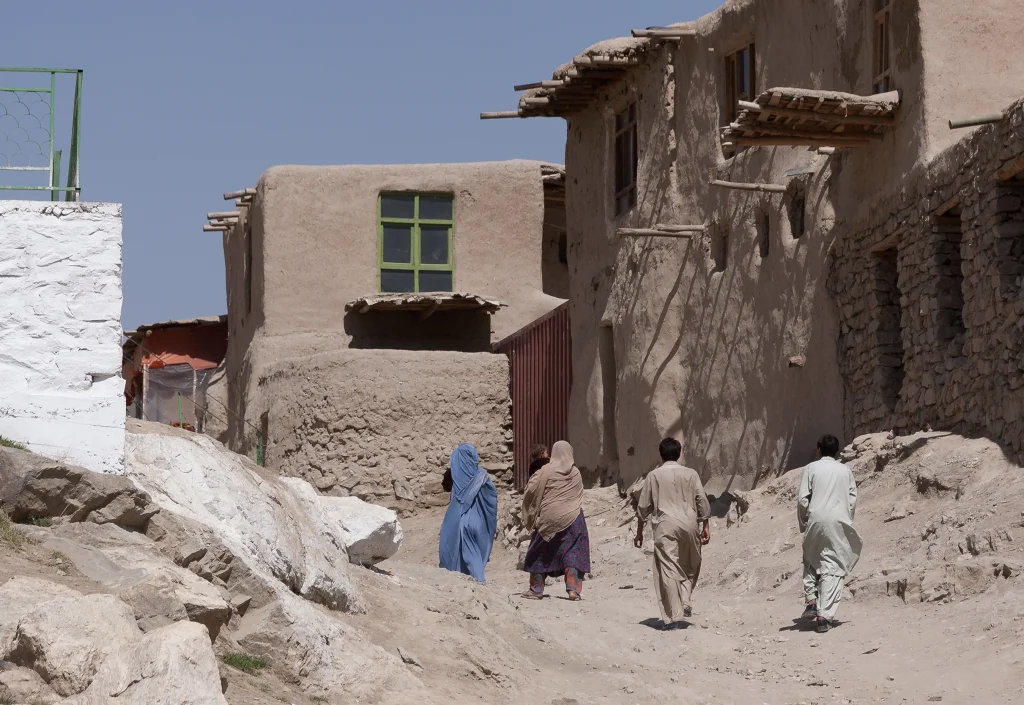
In remote and rural areas, healthcare access is even more limited. Many villages lack clinics, and long distances to the nearest hospital make seeking medical attention a challenge, particularly for those without transportation. Pregnant women, individuals with chronic illnesses, and emergency patients face life-threatening situations due to the lack of nearby medical facilities. Mobile medical units and last-mile distribution services are crucial in bridging this gap and ensuring healthcare reaches these underserved populations.
A Need for Urgent International Support and Solutions
Addressing Afghanistan’s healthcare crisis requires coordinated efforts from both local organisations and the international community. Strengthening supply chains, securing sustainable medical aid, and supporting healthcare workers are critical steps in restoring medical services across the country. Ensuring the availability of essential medicines, reinforcing healthcare infrastructure, and expanding distribution networks will play a crucial role in mitigating the crisis and improving healthcare outcomes for millions of Afghans.
Active Pharma’s Partners
At Active Pharma, we collaborate with leading pharmaceutical manufacturers and medical suppliers to ensure safe, high-quality, and compliant medicine distribution across Afghanistan. Our trusted partnerships enable us to maintain a secure supply chain, uphold GDP standards, and prevent the infiltration of counterfeit medicines.